How to Say AI-First and Be Believed
In 2024, every SaaS company on earth bolted “AI-powered” onto its homepage. That was the year I had to take a legacy localization platform the market had lost sight of and position it as an AI-first company. Not a coat of paint. A claim strong enough to survive skeptical buyers and, eventually, an acquirer’s diligence room.
In The Story the Acquirer Bought I tell the strategy side: what Transifex was, what the differentiator turned out to be, and what the repositioning was worth at exit. This piece is the companion, the rebrand start to finish, with the actual screenshots. Claiming AI leadership was the easy part; everyone did it that year. Getting believed was the work.
Step zero: have something true to point at
Credibility starts before marketing does. The company had built two real things: an AI translation engine that worked from the customer’s own glossaries and approved translations rather than generic language, and a quality index on top that scored every output and decided what still needed a human. The index was the scarce part. Every LLM can translate; almost nothing can tell you, with a score you can trust, which translations ship untouched.
If you do not have a mechanism like that, stop here. No sequencing, no design system, no launch choreography will make an AI claim believable when there is nothing underneath it. Most of the AI-washing of 2024 failed at step zero, and buyers could smell it.
The before: a site that agreed with the market
Here is what the company looked like when I arrived.
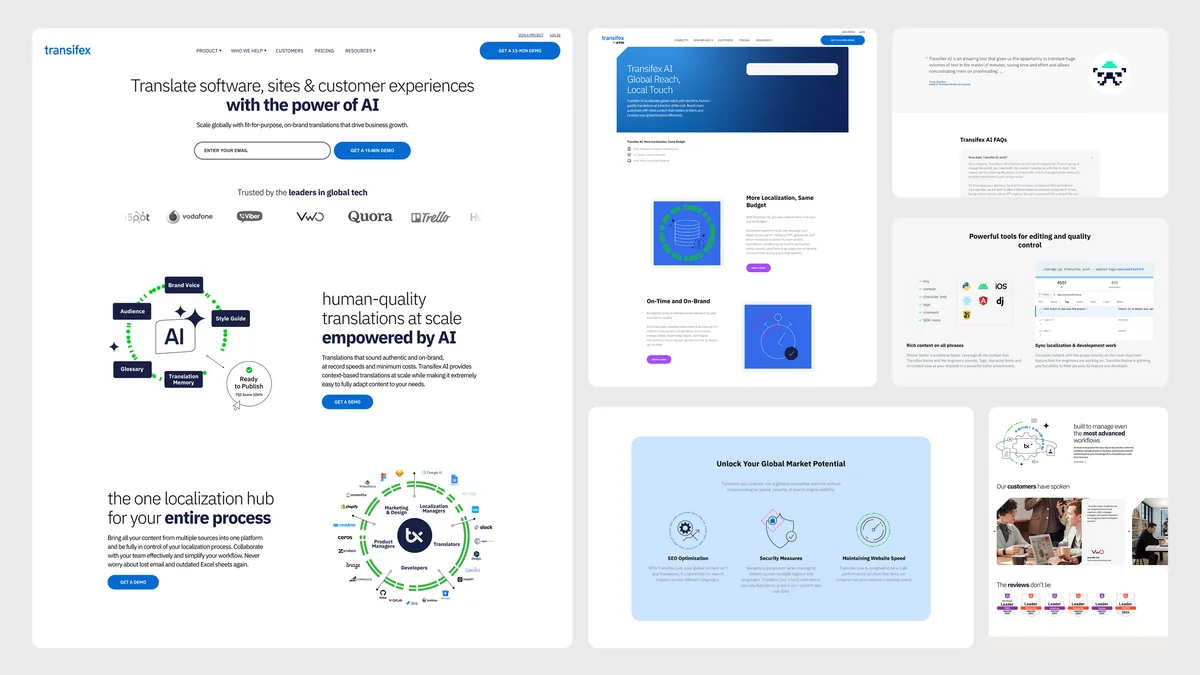
Blue logotype on white, friendly line illustrations, an aging WordPress template with emojis still in the copy. The visual dialect of mid-2010s SaaS. And the deeper you went, the more developer-native it got: command-line snippets on marketing pages, copy about tags, keys, and character limits.
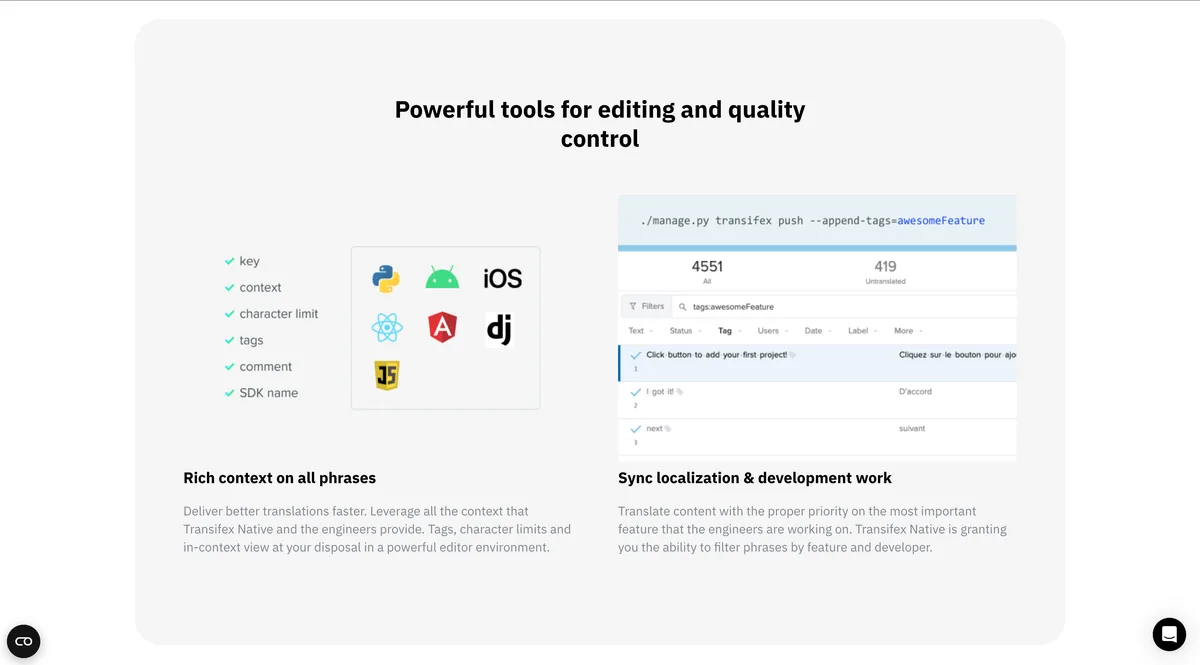
None of it was embarrassing on its own. The problem was the sum: a surface that said nothing here has changed in years, which was true of the product’s fallow period and exactly the perception we had to break. The market’s attention had moved elsewhere, and nothing on this surface argued for a second look. Now imagine bolting “AI-first” onto that site and expecting anyone to believe it.
Move one: change the sentences, keep the paint
So the first move was not visual. On the same template, with the same logo, we rebuilt what the site said, around the engine and above all around the quality index.
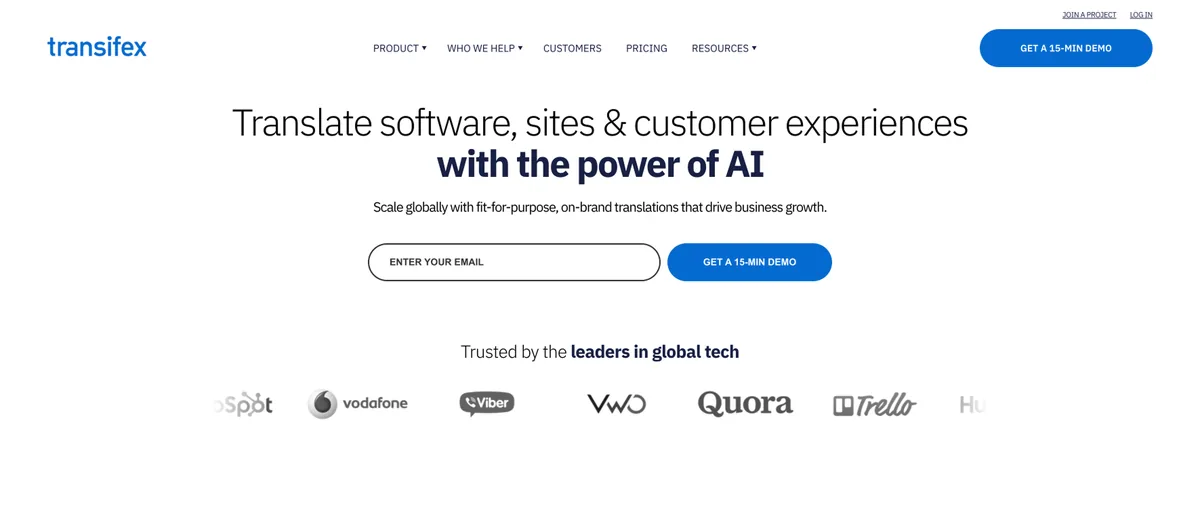
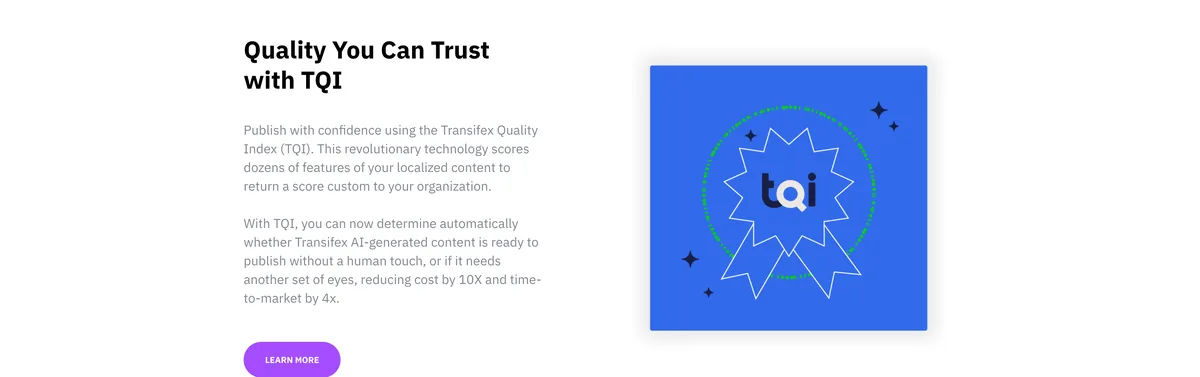
The order was deliberate. Messaging is cheap and fast, so you can test the new claim against real buyers while the old identity is still on the walls. A rebrand is expensive and slow, so by the time it ships you want it announcing something already proven rather than gambling on something untested. And the sequence itself is a credibility signal. A repaint that arrives together with brand-new claims reads as a costume change. Claims that hold up for a year on the old skin, then get an identity to match, read as a company catching up to its own truth.
We changed what the company said about itself roughly a year before anyone changed how it looked. That gap was not a compromise. It was the plan.
The grammar of being believed
The hard craft problem inside all of this was tone, and the rule we landed on is the one thing I would carry into any AI positioning job: lead with the mechanism, not the adjective.
We wrote that the system scores its own output and tells you what a human still needs to touch. A claim with a mechanism inside it reads as engineering. A claim without one reads as marketing, and in a hype cycle the reader’s default assumption is marketing. Every headline, every feature page, every launch asset got tested against that rule: does this sentence explain how, or does it just insist?
That is also why the quality index led the story rather than the shinier translation engine. “Our AI translates” was the claim every competitor could make. “Our system knows when its own output is not good enough” was a claim with judgment inside it, and judgment is much harder to fake.
Move two: land the identity on proof
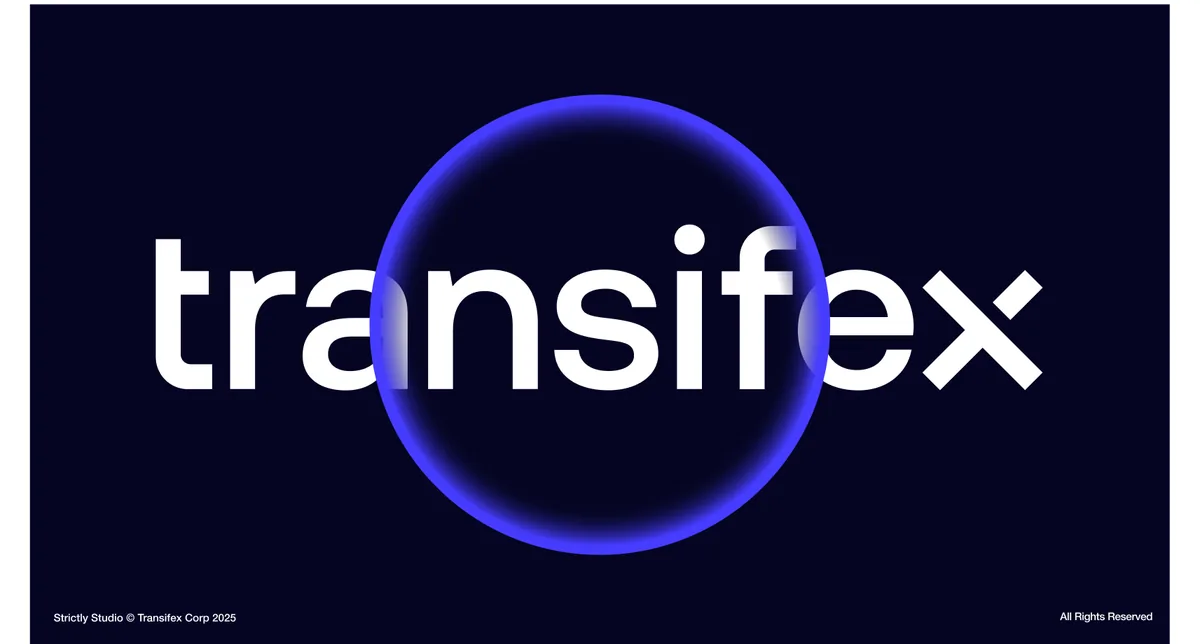
The full rebrand, new logotype, new design system, new verbal identity, was deliberately held back and timed to land with the next major product release. Identity is an announcement, and an announcement needs something to announce. A new coat of paint on an unchanged product is how legacy tools embarrass themselves; a new identity arriving in the same moment as shipping proof is how they stop being legacy tools.
Then the acquisition closed in January 2025, I left, and the plan became someone else’s to execute. In mid-2025, it shipped.
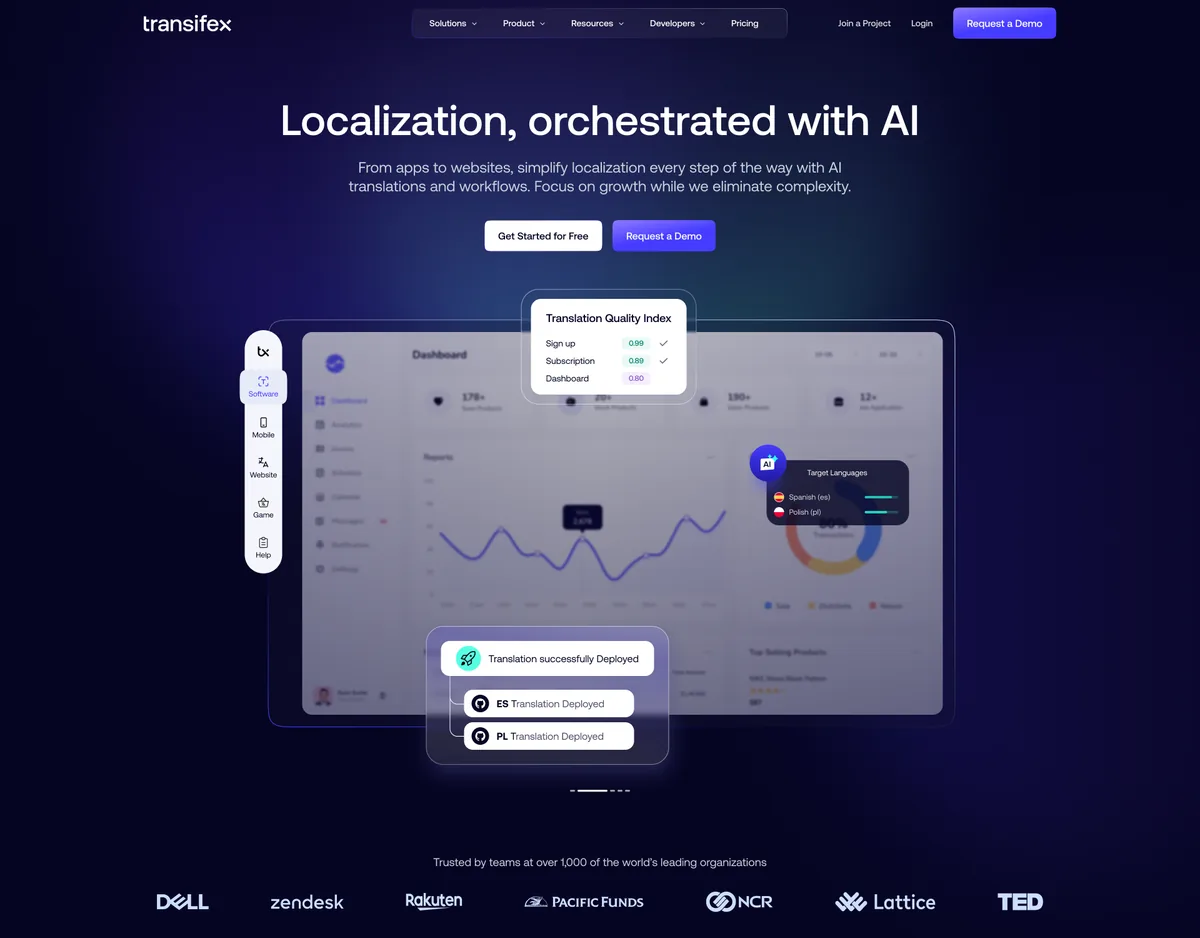
Read the new homepage against the credibility rule and you can see the spine held. The headline verb is orchestrated, not powered: orchestration describes what the system actually does, many moving parts under coordinated control, while “powered by AI” was the year’s emptiest phrase. The hero is not an illustration; it is the product, with the quality index panel scoring translations right there in the first screen. The differentiator argument, compressed into a layout decision. Below the fold, the logo bar moved from developer-tool names to Dell, Zendesk, Rakuten, NCR, TED, which is the company stating plainly whose money it now asks for.
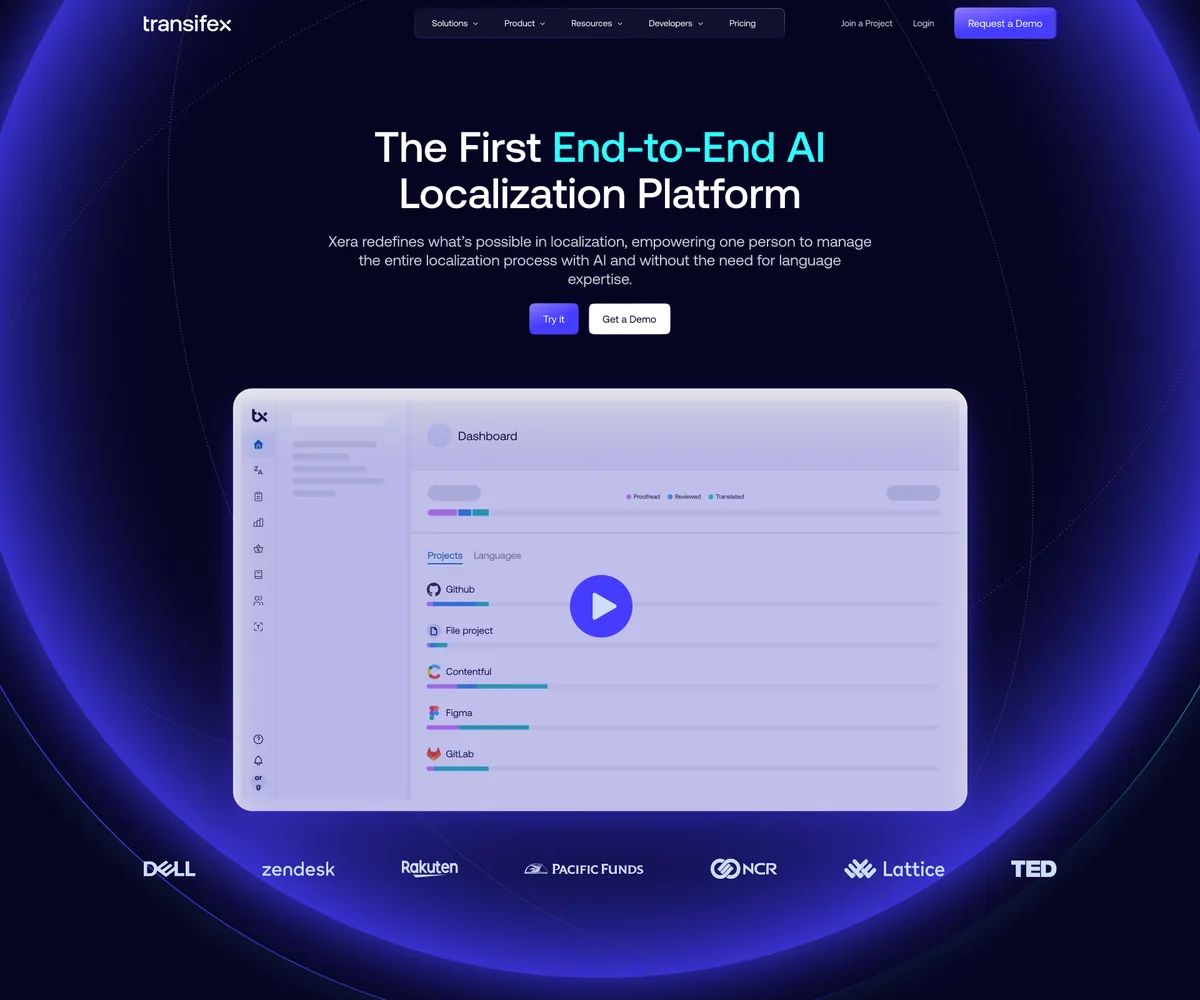
Is every line how I would have written it? No. “First” is a word I distrust in any market this crowded, and there are headlines on the new site I would have argued about in the room. But arguing in the room is a privilege of being in the room, and I had traded that for the exit. The structure of the argument, mechanism ahead of adjective and product ahead of decoration, survived intact.
Notice also what did not change: the name. Through a sale and a full reskin, Transifex stayed Transifex, because the name carried the loyalty of the developer community, the one asset the fallow years had never touched. Knowing what not to rebrand is part of the craft.
What the claim was worth
The AI-first claim passed three tests. The market bought it first: the messaging phase alone started moving the numbers while the old paint was still up. Then a technology-only acquirer took the claim apart in diligence, checked it against the product, and paid for it. The last test came after I left, when a new owner with every right to tear up the rebrand plan built it instead.
Positioning that only works while its author is in the building is performance. This one kept working on its own.
So: have a mechanism, change the sentences before the paint, write under the mechanism rule, land the identity on proof, and keep the assets that carry trust. In a hype cycle, credibility is not a tone of voice. It is an order of operations.